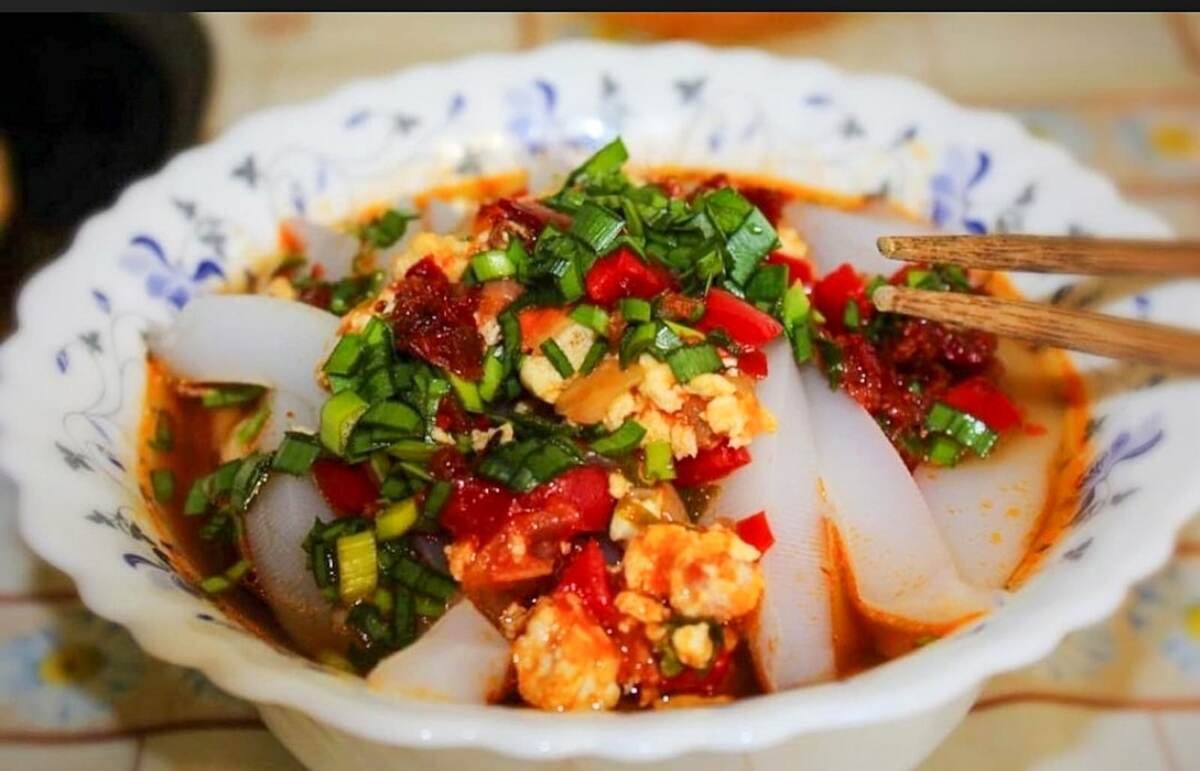
Discover the Dungan Culinary Gem: Ashlyam-Fu
Introduction to Dungan Cuisine

Dungan cuisine is a fascinating blend of culinary traditions that mirrors the rich history and cultural heritage of the Dungan people, a Muslim ethnic group in China. Originating from the Hui people who migrated from China to Central Asia, Dungan cuisine has evolved over centuries to incorporate a diverse array of flavors, techniques, and ingredients, influenced by both Chinese and Central Asian culinary practices. This unique fusion has resulted in dishes that are distinct yet reminiscent of their ancestral homes.
The Dungan community primarily resides in the northeastern region of China, where they migrated during the late 19th century. As they settled in new territories, their culinary practices began to adapt to the available local resources while retaining key elements from their cultural roots. The importance of fresh ingredients can be seen in Dungan dishes, often comprising herbs, vegetables, meat, and handmade noodles that reflect a commitment to culinary craftsmanship.
Distinctly flavored with a balance of spices, Dungan cuisine showcases a variety of influences, particularly from Chinese cuisine, characterised by its use of seasoning and preparation techniques such as stir-frying, steaming, and braising. At the same time, the incorporation of Central Asian ingredients, such as lamb and various aromatic spices, gives Dungan food its unique character. The result is a delectable array of dishes, from savory noodle soups to steam buns filled with rich meat, which capture the essence of the Dungan identity.
Moreover, the cultural significance of Dungan cuisine cannot be understated. Food plays a central role in various celebrations and community gatherings, symbolizing sharing and togetherness. Thus, the nuances of Dungan culinary practices not only reflect the community’s history but also foster a deeper appreciation of their heritage, making Dungan cuisine a vital aspect of their identity in today’s world.
What is Ashlyam-Fu?
Ashlyam-Fu is a traditional Dungan dish that has captured the hearts of food enthusiasts with its unique blend of flavors and textures. This culinary delight primarily consists of a handmade noodle base, which is often paired with a rich assortment of vegetables, seasoned meats, or aromatic spices. The main ingredient, the noodles, are typically made from wheat flour and exhibit a chewy texture that forms the quintessential characteristic of Ashlyam-Fu.
In preparing Ashlyam-Fu, the noodles are first rolled out and cut into thin strips before being boiled. This method ensures that they maintain their firmness and chewy nature. The dish can accommodate a wide range of flavors, depending on the regional variations and personal preferences. Common ingredients include a mix of greens—such as cabbage and carrots—alongside beef or lamb, which are often marinated before cooking to enhance the depth of flavor. Additionally, garlic, onion, and chili sauce may be included to elevate the taste profile and introduce a zesty bite.
Ashlyam-Fu’s presentation is as appealing as its flavor; it is often served in a deep bowl, showcasing the vibrant colors of the vegetables and the distinct texture of the noodles. Some variations of this dish also incorporate a subtle broth, which adds warmth and a contrasting liquid texture. Different regions may have their unique twists, primarily influenced by local produce and spices, making Ashlyam-Fu a dish full of surprises. To truly appreciate Ashlyam-Fu, mastering key cooking techniques—such as the appropriate noodle-making process and seasoning—will significantly enhance one’s culinary experience, allowing both creators and consumers to savor this exquisite Dungan gem with every bite.
Cultural Significance and Culinary Traditions
Ashlyam-Fu holds a prominent place in the cultural mosaic of Dungan society, where it transcends mere sustenance to embody a rich tapestry of communal values and practices. This unique dish, often served during significant celebrations and family gatherings, symbolizes not just the culinary heritage of the Dungan people but also their way of life. The preparation and sharing of Ashlyam-Fu during festive occasions signify unity and kinship, reinforcing familial bonds and community ties.
The role of Ashlyam-Fu extends to various rituals and practices that accompany its preparation and consumption. Traditionally, families engage in communal cooking, where each member contributes to the process, fostering a sense of togetherness. This collective effort is integral to the Dungan ethos, emphasizing collaboration and shared responsibility. When a large gathering occurs to celebrate weddings, religious holidays, or other significant milestones, Ashlyam-Fu takes center stage, often prepared in sizable portions to cater to a larger audience.
The dining experience itself reinforces the values inherent in Dungan culture. As families and friends come together to savor Ashlyam-Fu, the act of sharing food transcends physical nourishment, becoming a medium for storytelling, cultural exchange, and the reinforcement of social ties. Specific customs, such as the formal inviting of guests and the ceremonial serving of the dish, add layers of meaning to the dining experience, making it a thoughtful expression of hospitality and respect.
Moreover, the preparation of Ashlyam-Fu may vary from one family to another, reflecting personal or regional nuances that showcase the diversity within the Dungan community. This adaptability not only highlights culinary creativity but also preserves the collective memories and histories associated with the dish. Ultimately, Ashlyam-Fu encapsulates the essence of Dungan culture, serving as a vessel for traditions, shared experiences, and communal identity.
How to Make Ashlyam-Fu at Home
Preparing Ashlyam-Fu at home can be a delightful culinary adventure that allows you to enjoy this Dungan delicacy in the comfort of your kitchen. To successfully recreate this dish, you will need the following ingredients:
- 200g of flour
- 1 teaspoon of salt
- Water (as needed)
- 300g of ground meat (beef or lamb is preferred)
- 1 medium onion, finely chopped
- 1 tablespoon of soy sauce
- 1 teaspoon of black pepper
- Fresh herbs (such as cilantro or parsley, for garnish)
To begin, make the dough by combining flour and salt in a mixing bowl, gradually adding water until the mixture forms a stretchy, pliable dough. Knead the dough on a floured surface for about 10 minutes. Cover with a damp cloth and let it rest while you prepare the filling.
For the filling, mix the ground meat with chopped onion, soy sauce, and black pepper in a separate bowl. Make sure the ingredients are well combined to enhance the flavors.
After the dough has rested, roll it out into thin sheets, approximately 2mm thick. Cut circular shapes from the dough using a round cutter. Place a small spoonful of the meat mixture in the center of each dough circle. Fold the dough over to create a half-moon shape and pinch the edges to seal securely.
To cook Ashlyam-Fu, steam the dumplings for about 20 minutes until the dough is translucent, and the filling is cooked through. For variations, consider using vegetables or tofu for a vegetarian option, or experiment with different seasonings to suit your taste.
Pair your Ashlyam-Fu with a light soy dipping sauce or a side of fresh salad to complement the dish. By following these steps, you can savor the authentic flavors of this Dungan culinary gem right at home.