Introduction to Kazakhstan
Kazakhstan, the world’s largest landlocked country, spans vast expanses of central Asia and eastern Europe. Covering over 2.7 million square kilometers, it is the ninth largest country globally. This vast nation is known for its diverse landscapes, which include steppes, mountains, and deserts, offering a unique blend of natural beauty and cultural experiences.
Geography and Climate
The geography of Kazakhstan is incredibly diverse. The country is home to the towering Altai mountains in the northeast, rolling steppes in the center, and the expansive Caspian Sea to the west. Despite its size, Kazakhstan has a continental climate, characterized by hot summers and cold winters. This variation in climate contributes to the rich biodiversity found in the region, making it an attractive destination for nature enthusiasts.
Cultural Heritage and Modern Development
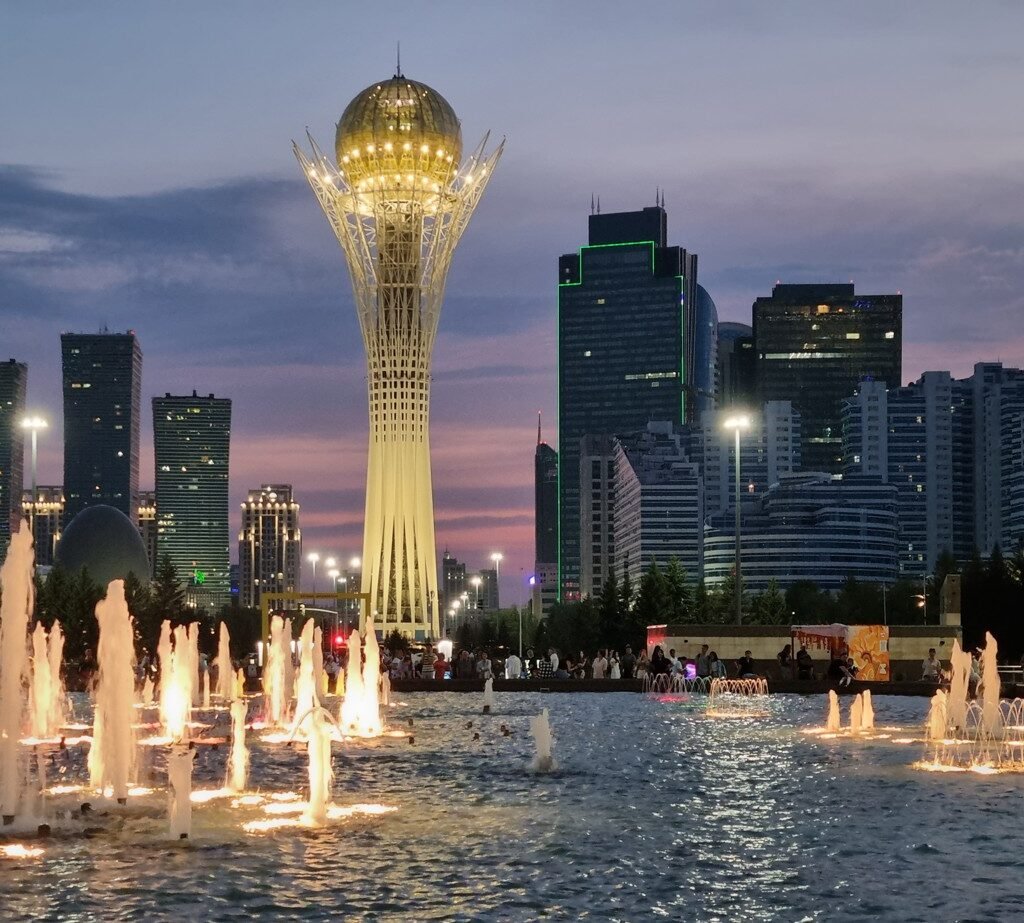
Kazakhstan boasts a rich cultural heritage, drawing from various influences due to its historical significance along the Silk Road. The nation celebrates numerous traditions and festivals that reflect its diverse ethnic makeup, including Kazakhs, Russians, and other minority groups. In recent years, Kazakhstan has made significant strides in modern development, becoming a hub for economic growth in central Asia. Major cities like Almaty and Astana feature modern architecture and vibrant cultural scenes, showcasing the country’s commitment to balancing its rich history with contemporary advancements.