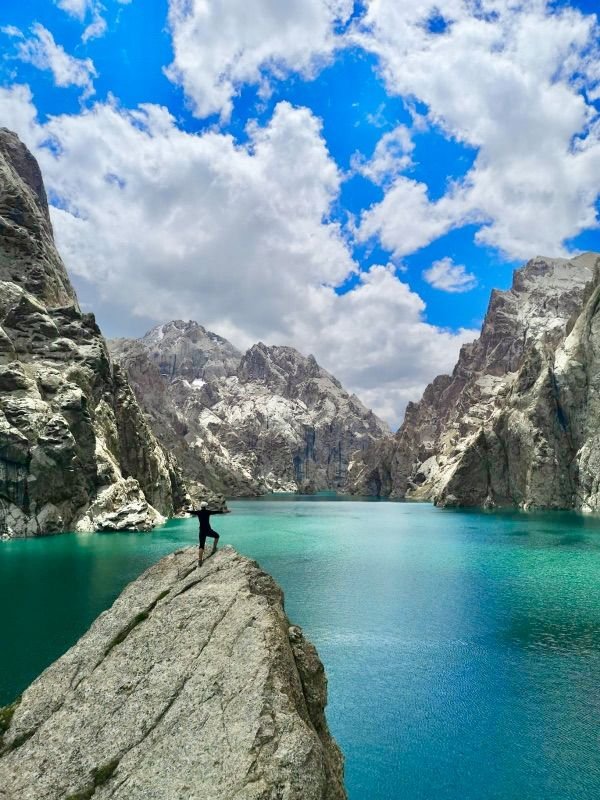
Exploring Kyrgyzstan and Kazakhstan
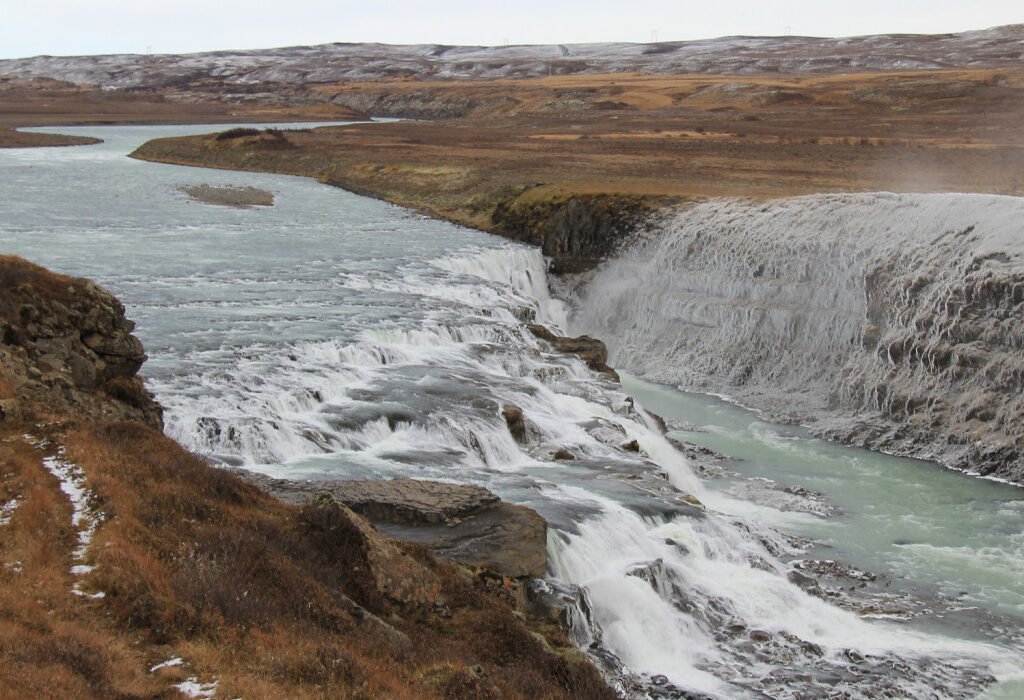
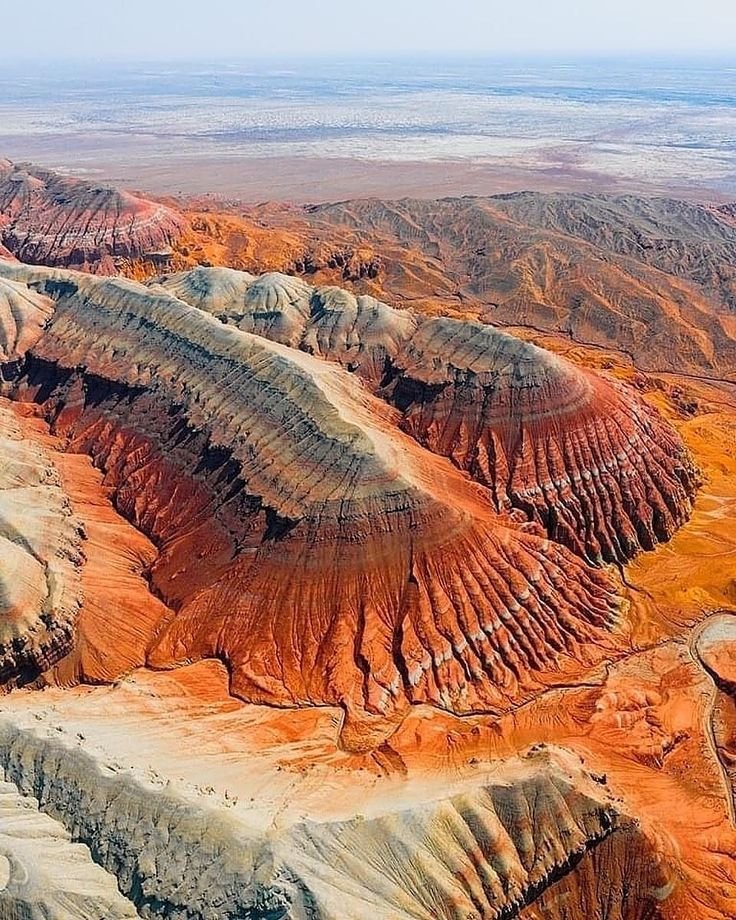
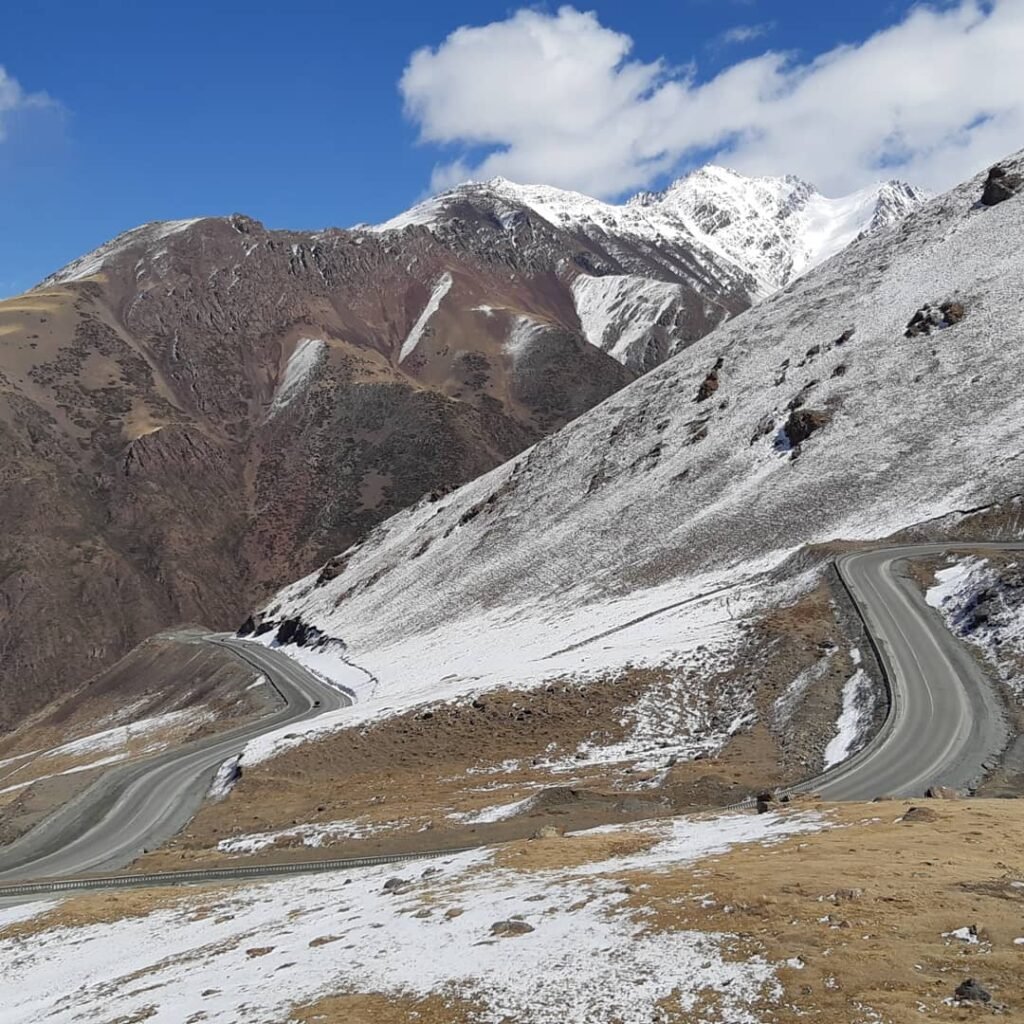
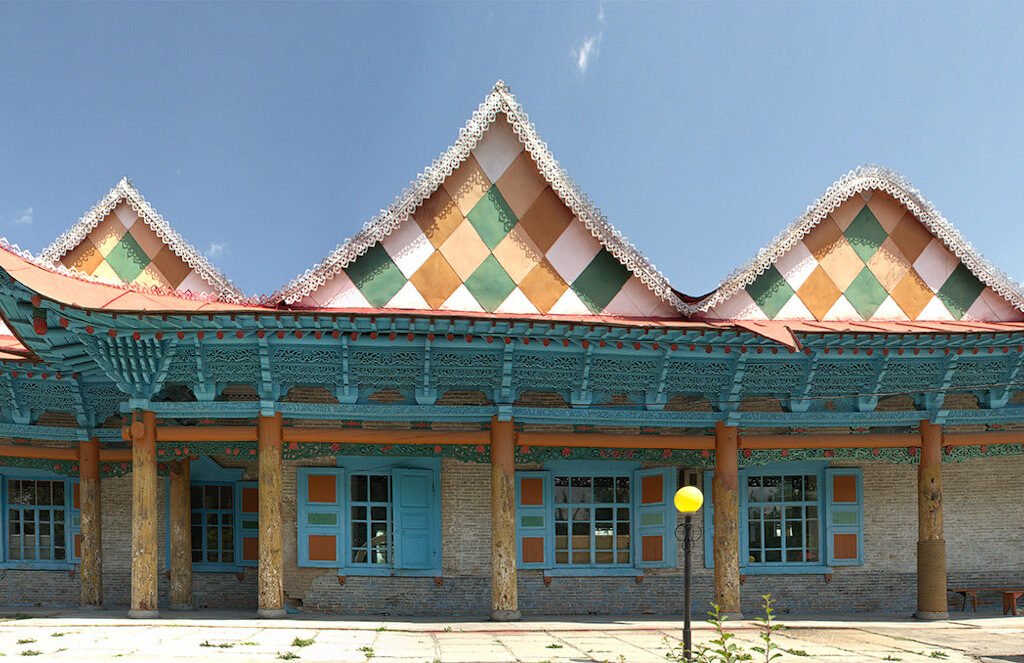
Kyrgyzstan and Kazakhstan, two remarkable nations situated in the heart of Central Asia, present a unique tapestry of geographical diversity, historical significance, and rich cultural heritage. Nestled between the towering Tien Shan mountains and expansive steppes, these countries boast stunning landscapes that captivate the imagination of travelers and adventurers alike. Kyrgyzstan, known for its mountainous terrain, is home to numerous alpine lakes and rugged peaks, making it a haven for trekkers and nature enthusiasts. In contrast, Kazakhstan features vast grasslands and a more varied terrain, stretching from the Caspian Sea in the west to the Altai Mountains in the east.
Historically, both nations have served as important crossroads for trade and cultural exchange along the ancient Silk Road. This historical context has profoundly shaped their cultures and identities, evident in their customs, languages, and traditions. Kyrgyzstan is renowned for its rich oral history and nomadic heritage, while Kazakhstan’s cultural tapestry reflects a blend of Turkic, Mongolian, and Russian influences. This diversity enriches the experience for visitors, offering a glimpse into the unique ways of life that have evolved over centuries.
The capital of Kyrgyzstan, Bishkek, emerges as a vibrant political and cultural center characterized by its Soviet-era architecture and lively bazaars. Meanwhile, Almaty, the largest city in Kazakhstan, is a bustling metropolis that thrives on a blend of modernity and tradition, serving as a key hub for commerce and culture. Together, these cities represent the dynamic spirit of their respective nations, inviting travelers to explore their distinctive stories. As we delve deeper into the incredible landscapes and cultural offerings of Kyrgyzstan and Kazakhstan, it becomes clear why these Central Asian countries are worthy of exploration.
Top Attractions in Kyrgyzstan
Kyrgyzstan, known for its stunning landscapes and rich cultural heritage, offers numerous attractions that beckon travelers from around the globe. One of the most iconic natural wonders is Issyk-Kul Lake, the world’s second-largest saltwater lake. Nestled between snow-capped mountains, this picturesque destination provides opportunities for swimming, sailing, and sunbathing during the summer months. Travelers can explore the lake’s surrounding beaches and engage in water sports, making it a popular summer retreat.
Another must-visit location is Ala Archa National Park, which is situated just outside the capital city, Bishkek. This park, famous for its dramatic mountain scenery, is ideal for hiking enthusiasts. The trails range from easy walks along the riverbanks to challenging treks that lead to breathtaking views of the Ala Archa glacier. Visitors can immerse themselves in nature while enjoying picnics or camping in designated areas, providing a serene escape from urban life.
Cultural experiences in Kyrgyzstan are equally compelling. Travelers should consider visiting nomadic communities, where they can engage with local families and learn about traditional lifestyles. Staying in a yurt offers a unique glimpse into the rich nomadic culture that has persisted for centuries. Furthermore, the historical significance of the Silk Road is evident in sites such as Tashkent, where ancient caravanserais and fortresses still stand, echoing tales of travelers from antiquity.
To fully embrace the local culture, participate in Kyrgyzstan’s vibrant festivals. Events like the World Nomad Games and Central Asia’s traditional horse games celebrate the region’s heritage and attract tourists worldwide. Engaging in these activities not only enriches visitors’ experiences but also fosters a deeper appreciation for Kyrgyzstan’s diverse traditions.
Discovering Kazakhstan’s Rich Heritage
Kazakhstan is a nation that embodies a compelling blend of modernity and tradition, offering a wealth of cultural and historical sites for exploration. Its capital, Nur-Sultan, formerly known as Astana, stands as a testament to modern architectural innovation. Here, visitors can marvel at the iconic Bayterek Tower, which symbolizes the aspiration for a prosperous future. The city’s skyline is adorned with futuristic buildings that reflect Kazakhstan’s ambition and development, yet it is also home to cultural centers such as the Palace of Peace and Reconciliation, which underscores the nation’s commitment to unity and peace.
Moving to Almaty, Kazakhstan’s largest city, one can experience a rich tapestry of heritage and history. Almaty is known for its vibrant culture, showcased through its museums, theaters, and art galleries. The Central State Museum offers insights into the region’s ancient past while the green spaces, such as Panfilov Park, provide a relaxing environment to appreciate the cultural landscape. Moreover, Almaty’s proximity to natural wonders, including the stunning Zailiysky Alatau mountains, adds to its charm, making it a hub for both history enthusiasts and nature lovers.
Another remarkable site is the Mausoleum of Khoja Ahmed Yasawi in Turkestan, a UNESCO World Heritage site. This impressive monument, built in the 14th century, reflects Timur’s architectural vision and is an important pilgrimage site for many. It represents the convergence of Islamic culture and Central Asian traditions, embodying the spiritual legacy of the region.
Additionally, Kazakhstan’s nomadic traditions deeply influence its culture, with folklore and crafts passed down through generations. Traditional dishes, such as beshbarmak, highlight the significance of hospitality in Kazakh culture, while localized customs provide a window into the daily life of its people. Experiencing these aspects enables visitors to step into the rich tapestry of Kazakh heritage.
Travel Tips and Practical Information
When planning a journey to Kyrgyzstan and Kazakhstan, travelers should consider several key factors to enhance their experience. First, understanding transportation options is essential. In Kyrgyzstan, the marshrutkas (shared taxis) are an economical and widely used method to navigate between cities and towns. For example, the ride from Bishkek to Lake Issyk-Kul is popular among tourists. In Kazakhstan, public transportation in major cities like Almaty includes a robust metro system and buses, but many prefer car rentals for exploring the vast steppe.
Accommodation varies significantly across both countries. In urban areas, hotels range from luxury international chains to charming boutique hotels. In rural settings, guesthouses offer a glimpse into local life, often run by hospitable families who provide traditional meals. It’s advisable to book accommodations in advance, especially during peak tourist seasons.
Visitors should also familiarize themselves with local customs. In Kyrgyzstan, hospitality is a significant cultural pillar; guests are often offered tea and bread upon arrival. In Kazakhstan, greetings are typically warm and important, so a simple “Salemetsiz be?” (How are you?) can go a long way. Respect for elders is paramount in both cultures, and using polite forms of address can enhance interactions.
Safety is another crucial aspect. Both countries are generally safe for tourists, but basic precautions should be observed. Keep belongings secure and remain aware of surroundings in crowded areas. It is also recommended to check local travel advisories before visiting.
Language considerations are important, as Russian and Kyrgyz are the predominant languages spoken in Kyrgyzstan, while Kazakh and Russian are common in Kazakhstan. While English may not be widely spoken, learning a few basic phrases can significantly enrich interactions.
For itinerary planning, various online resources offer detailed information about attractions, local events, and transport options, ensuring travelers maximize their time in Kyrgyzstan and Kazakhstan. Utilizing these resources will lead to a more fulfilling and immersive travel experience.